 Reactiva
You Matter Too
When a family member has a stroke, an acquired brain injury (an injury to the brain that occurs after birth, for example due to trauma) or dementia, life changes for the whole household. Often one person takes on most of the care: we call this person the primary caregiver.
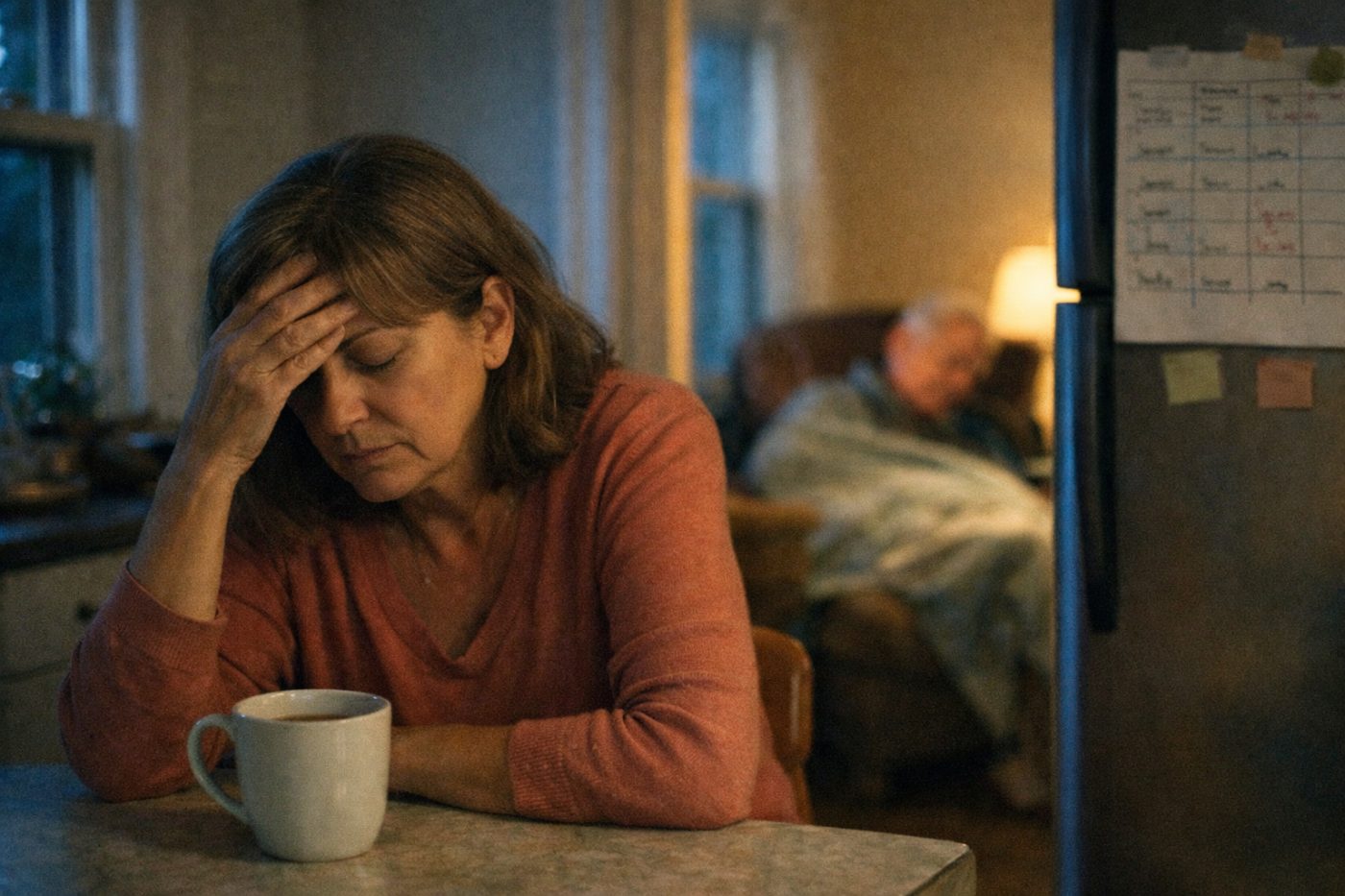
Caregiving is an act of love, but it is also a demanding task and, often, a long-lasting one. Taking care of yourself is not a luxury or selfishness: it is part of the care. An exhausted person has a harder time providing good support.
Signs of Overload
Exhaustion usually builds up gradually and is easy to miss. Some common signs are:
- Fatigue that does not improve with rest.
- Trouble sleeping or unrefreshing sleep.
- Irritability, crying easily or feeling "at your limit."
- Sadness, anxiety or constant worry.
- Neglecting your own medical appointments, hobbies or friendships.
- Headaches, muscle tension or other discomfort with no clear cause.
- Feeling guilty for wanting some time for yourself.
The terms caregiver burden or "caregiver burnout syndrome" are sometimes used to describe this sustained physical and emotional strain. If you recognize several of these signs over a period of weeks, it is not a weakness: it is an indication that you need support.
Realistic Limits
No one can do everything, all the time. Setting limits does not mean you love your family member any less.
- Accept that you will not be perfect. There will be difficult days, and that is okay.
- Prioritize. Distinguish what is essential from what can wait.
- Recognize what you cannot take on (technical care, sleepless nights, heavy physical tasks) and ask for specific help.
- Look after your basic needs: eat regularly, sleep as much as you can and move a little every day.
- Set aside time for yourself, even if it is brief, and protect it as you would a medical appointment.
Support Resources
You do not have to do this alone. Depending on your area and your situation, you can explore:
- Healthcare team: your family doctor, neurologist, neuropsychologist, therapists and healthcare social workers can guide and refer you.
- Social services in your city council or region: they provide information on benefits, assessment of dependency status, and services such as home help or day centers.
- Patient and family associations: they offer information, workshops and support groups where you can connect with people going through something similar.
- Psychological support: talking with a professional helps you manage guilt, sadness or stress.
- Respite care: temporary stays or services that allow you to rest for a few days or a few hours.
- Your close network: family and friends often want to help, but they need to know how.
What You Can Do
- Share the tasks. Make a list and ask each person to take on something specific (going along to an appointment, doing the shopping, staying with your family member for a while).
- Ask for help clearly. "Can you come on Tuesday afternoon?" works better than "I need help."
- Organize simple routines to reduce surprises and strain.
- Learn about the condition from reliable sources; understanding the changes (in behavior, memory or mood) helps you avoid taking them personally.
- Look after your health: keep up with your own medical check-ups.
- Seek support early, without waiting until you are exhausted.
When to Seek Help
See your doctor or a mental health professional if you notice persistent sadness, intense anxiety, sleep problems that drag on, loss of interest in almost everything, or thoughts that you can't go on. If at any point you feel you might harm yourself or others, contact the emergency services in your area.
Asking for help is not giving up: it is a way of continuing to care, and to care for yourself, over time.
This article is for informational purposes and does not replace assessment by a healthcare professional.
Caring for a family member with a brain injury is hard work. You need care too.
Some signs of burnout are:
- You are very tired all the time.
- You sleep badly.
- You get angry or cry easily.
- You no longer see your friends.
You cannot do everything alone. Ask your family and friends for help. Say what you need and when.
Talk to your doctor or to social services. There is help, support groups and respite services.
Take time for yourself. Eat well, sleep and move a little.
Asking for help is not a failure. It is a way to keep caring.
This content is educational and does not replace assessment, diagnosis or supervision by a healthcare professional.