 Reactiva
A stroke occurs when a part of the brain stops receiving the blood flow it needs, or when there is bleeding. In an ischemic stroke, the problem is usually an obstruction that prevents oxygen from reaching a specific area of the brain.
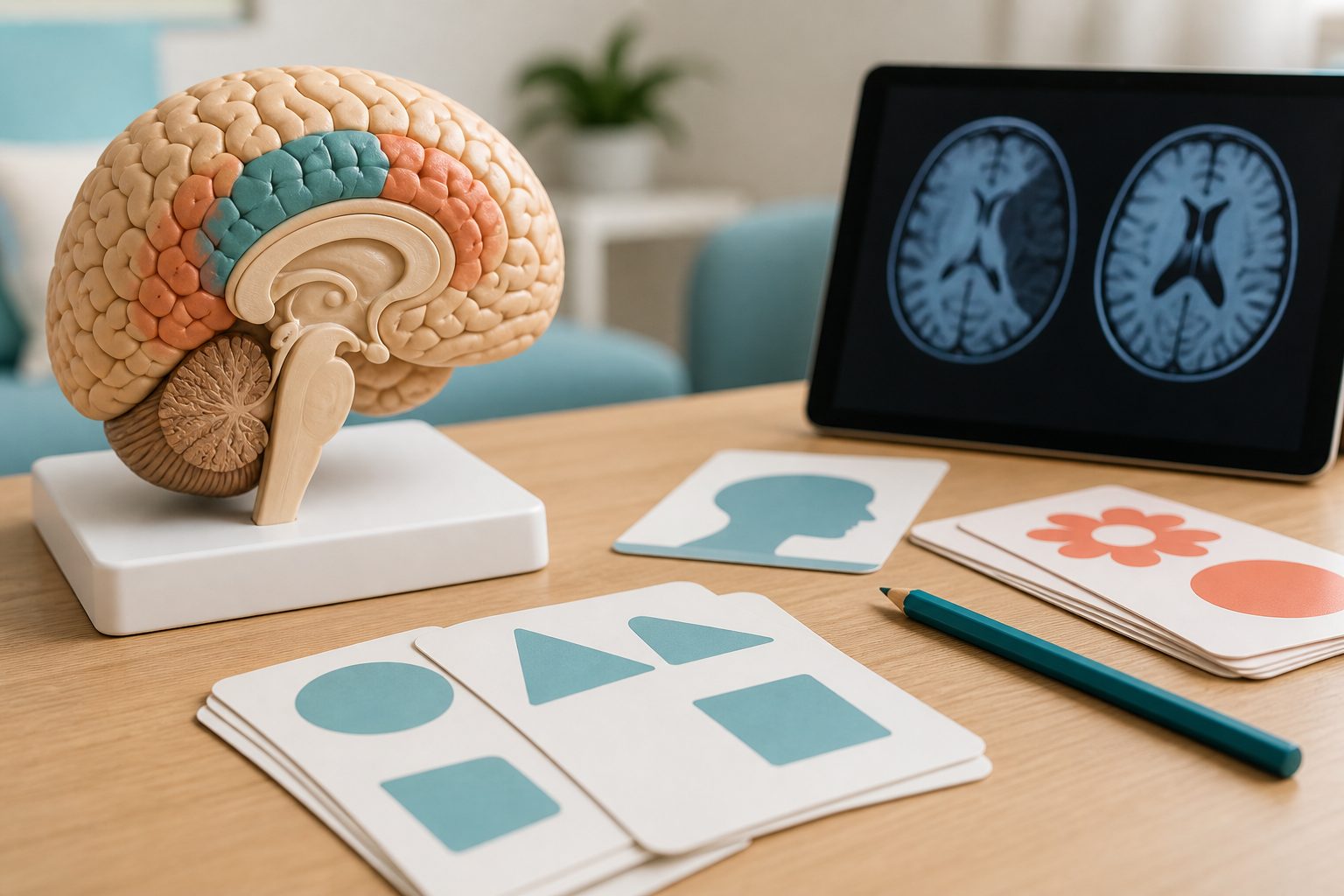
The brain depends on a constant supply of blood. When this flow is interrupted, the functions associated with the affected area can be altered: movement, sensation, language, attention, memory, calculation, or behavior.
Why Symptoms Are So Different
No two strokes are the same. It depends on the affected artery, the size of the lesion, the speed of treatment, age, prior health, and the brain's ability to reorganize.
- Motor: weakness, clumsiness, or gait disturbances.
- Language: difficulty speaking, reading, writing, or understanding.
- Cognitive: problems with attention, working memory, or planning.
- Fatigue: disproportionate exhaustion from mental tasks.
The Stroke Doesn't End When You Leave the Hospital
The acute phase saves tissue and stabilizes. After that, another stage begins: understanding the aftermath, training functions, adjusting rhythms, and regaining daily life.
Medical discharge may come before the feeling of being recovered. Rehabilitation starts when the brain needs to reorganize everyday life.
Naming what is happening helps. Because the invisible—fatigue, slowness, mistakes, blockages—also belongs to the stroke.
A stroke happens when part of the brain stops getting the blood it needs, or when there is bleeding. The brain needs this blood all the time.
When this stops, the functions of that area can change: movement, speech, memory, attention, or calculation.
Why symptoms vary so much
No two strokes are the same. It depends on which artery is affected, the size of the injury, how quickly it is treated, and other factors for each person.
- Motor: weakness or clumsiness.
- Speech: difficulty speaking, reading, or understanding.
- Cognitive: problems with attention or memory.
- Fatigue: strong tiredness with mental tasks.
The stroke does not end when leaving the hospital
The acute phase stabilizes. After that, another stage begins: understanding what has been affected, training, and slowly recovering daily life.
Key idea
Things that are not visible —like fatigue or slowness— are also part of the stroke, even if the person "looks fine" on the outside.
This content is educational and does not replace assessment, diagnosis or supervision by a healthcare professional.