 Reactiva
Neuroplasticity is the brain's ability to change. After a stroke, this concept shifts from theory to a daily necessity: recovery involves reorganizing.
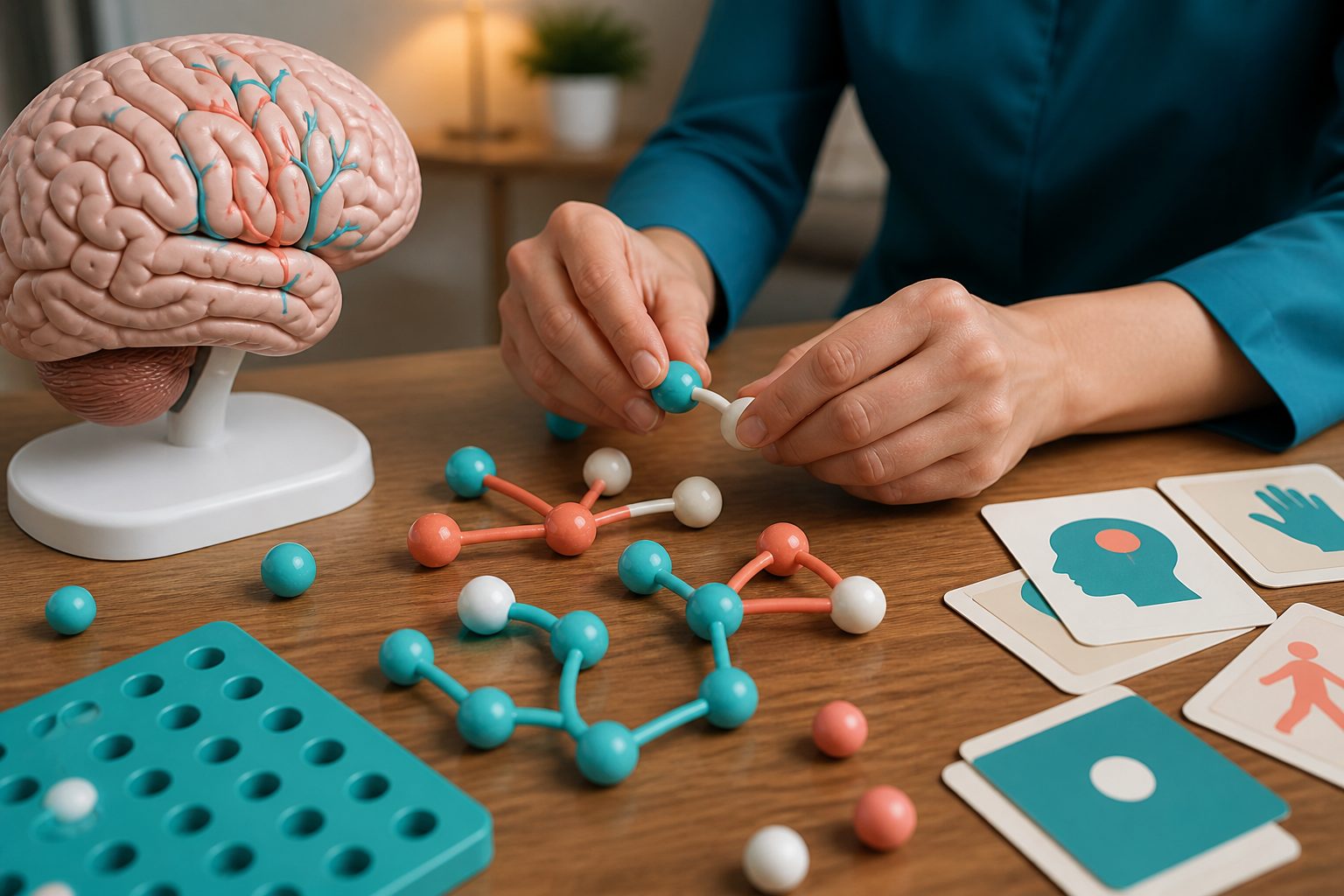
When a neural network is damaged or weakened, other areas can collaborate, take on part of the function, or create alternative pathways. But this reorganization requires practice, repetition, rest, and meaning.
It's Not Magic: It's Targeted Training
Plasticity improves when the brain receives appropriate stimuli: tasks that are challenging enough to activate learning but not so difficult that they cause constant blockage.
- Repetition: consolidates new pathways.
- Attention: increases the quality of learning.
- Feedback: allows for error correction.
- Rest: helps consolidate what has been practiced.
Automation Takes Time
At first, a function may only be achievable with a lot of conscious control. Over time, if practiced well, it may require less effort. This transition—from the conscious to the automatic—is one of the most important signs of recovery.
The goal is not to do more for the sake of doing more. It's to practice well enough for the brain to find more efficient pathways.
Neuroplasticity does not guarantee that everything will return exactly as it was, but it does open a door: the door to continuing to improve beyond the initial weeks.
Neuroplasticity is the brain's ability to change. After a stroke, this is key: recovery means reorganizing.
When part of the brain is damaged, other areas can help or create new paths. But this needs practice, repetition, and rest.
It’s not magic, it’s training
The brain improves with the right stimuli: tasks that are challenging, but not too hard to block.
- Repeating helps to fix new paths.
- Paying attention improves learning.
- Correcting mistakes helps to do better.
- Resting helps to consolidate what was practiced.
Automation takes time
At first, a task may need a lot of conscious effort. With practice, it may take less effort. This change is an important sign of recovery.
Key idea
Neuroplasticity does not promise everything will be exactly the same. But it does open the door to continue improving, beyond the first weeks.
This content is educational and does not replace assessment, diagnosis or supervision by a healthcare professional.