 Reactiva
Daily training can be very helpful, but it should not become a chase. Recovery requires practice, yes, but also rest, sleep, and real life.
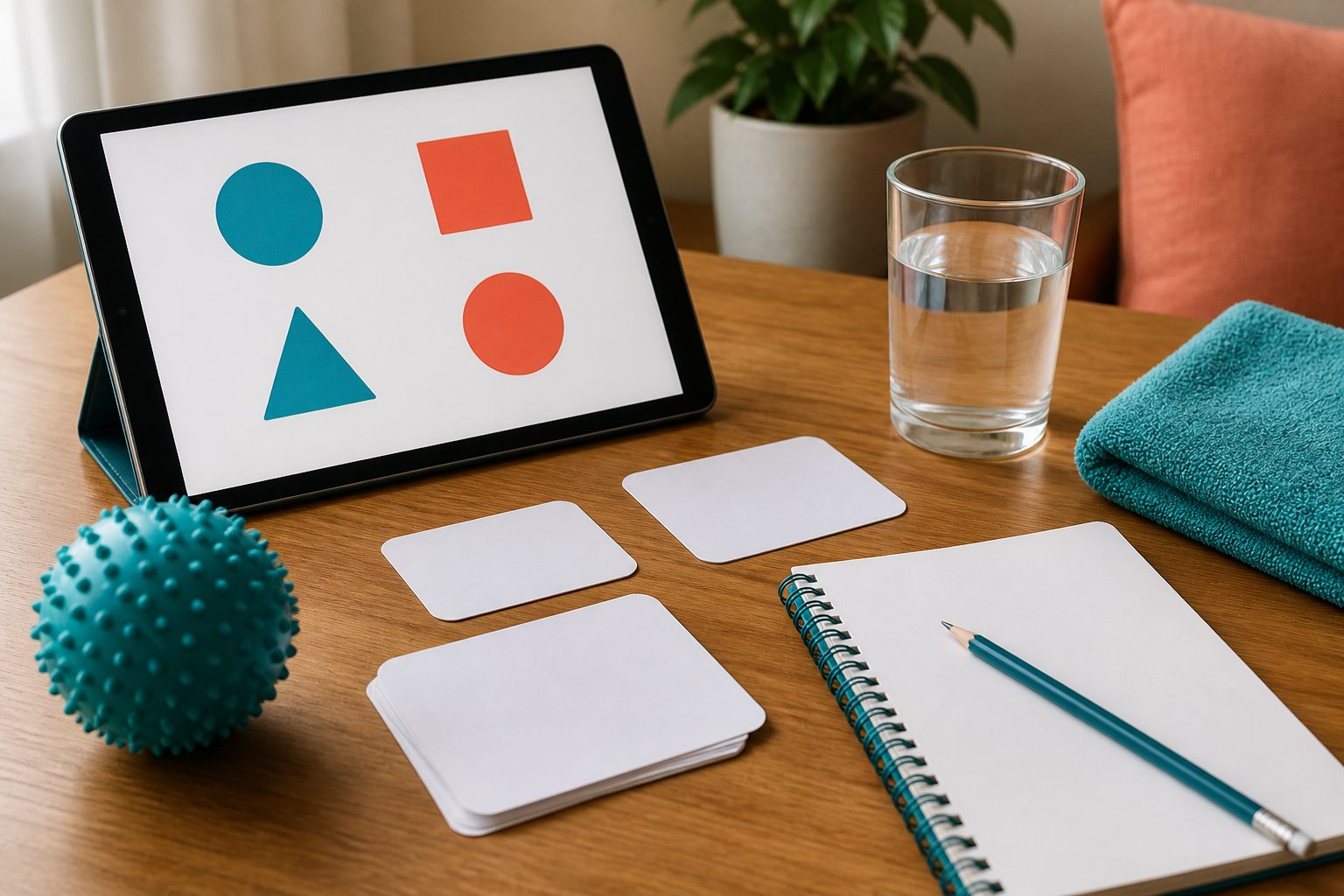
An effective session does not have to be huge. It can include brief blocks: language, calculation, working memory, attention, walking, reading, or household tasks with therapeutic intent.
The important thing is to ensure progression. If you always train at your limit, the brain learns exhaustion. If you always train too easily, improvement stalls.
Why consistency beats intensity
The brain learns through repetition and transfer to real situations, not through occasional very intense sessions. Ten or fifteen well-focused minutes, repeated almost every day, usually leave more of a mark than one long session a week.
A session that ends in a block or frustration also leaves a negative association with training — and that association carries weight when it's time to sit down and practice the next day.
What a well-calibrated session looks like
There's no need for a rigid formula, but it usually helps to alternate domains in short blocks rather than sticking with just one for too long:
- A language block (naming, comprehension, reading).
- A calculation or reasoning block.
- A working memory or attention block.
- A brief pause before moving on to another task or back to daily life.
The exact order and duration matter less than consistency: a modest routine that's kept up over time beats an ambitious plan abandoned in the second week.
Signs that the pace isn't right
- Too demanding if there are frequent blocks, a lot of frustration, or fatigue that takes hours to ease off.
- Too easy if there are no errors at all, no sense of effort, and performance hasn't changed in weeks.
Neither extreme means "failing" — they're just information to adjust the level, the same way you'd adjust the weight in a physical exercise.
How to put it into practice
It's worth alternating domains and tracking how the body responds: accuracy, timing, blocking, fatigue, and subjective feeling.
Consistency beats chaotic intensity.
Sustainable consistency — brief, well-calibrated blocks with room for rest — tends to pay off more in the long run than long sessions that end in a block or frustration.
Training every day helps, but it should not become a tiring obligation. You need to practice, yes, but also rest and live normally.
A short session can be enough. It does not have to be long.
How to Have a Good Session
- A language block.
- A math block.
- A memory or attention block.
- A break before continuing with the day.
Better to have a small routine that lasts, than a big plan that is abandoned soon.
Signs That Something Is Not Right
- If you get stuck a lot or feel tired for hours: it is too hard.
- If you never fail and feel no effort: it is too easy.
Neither of these is a failure. They are just signs to adjust the level.
Key Idea
Consistency beats chaotic intensity.
It is better to train a little every day than a lot once in a while.
This content is educational and does not replace assessment, diagnosis or supervision by a healthcare professional.