 Reactiva
The Importance of Routines in Parkinson's
Routines are fundamental for people with Parkinson's, as they can help reduce anxiety and improve quality of life. Having a predictable schedule allows patients to feel more secure and in control of their day-to-day activities.
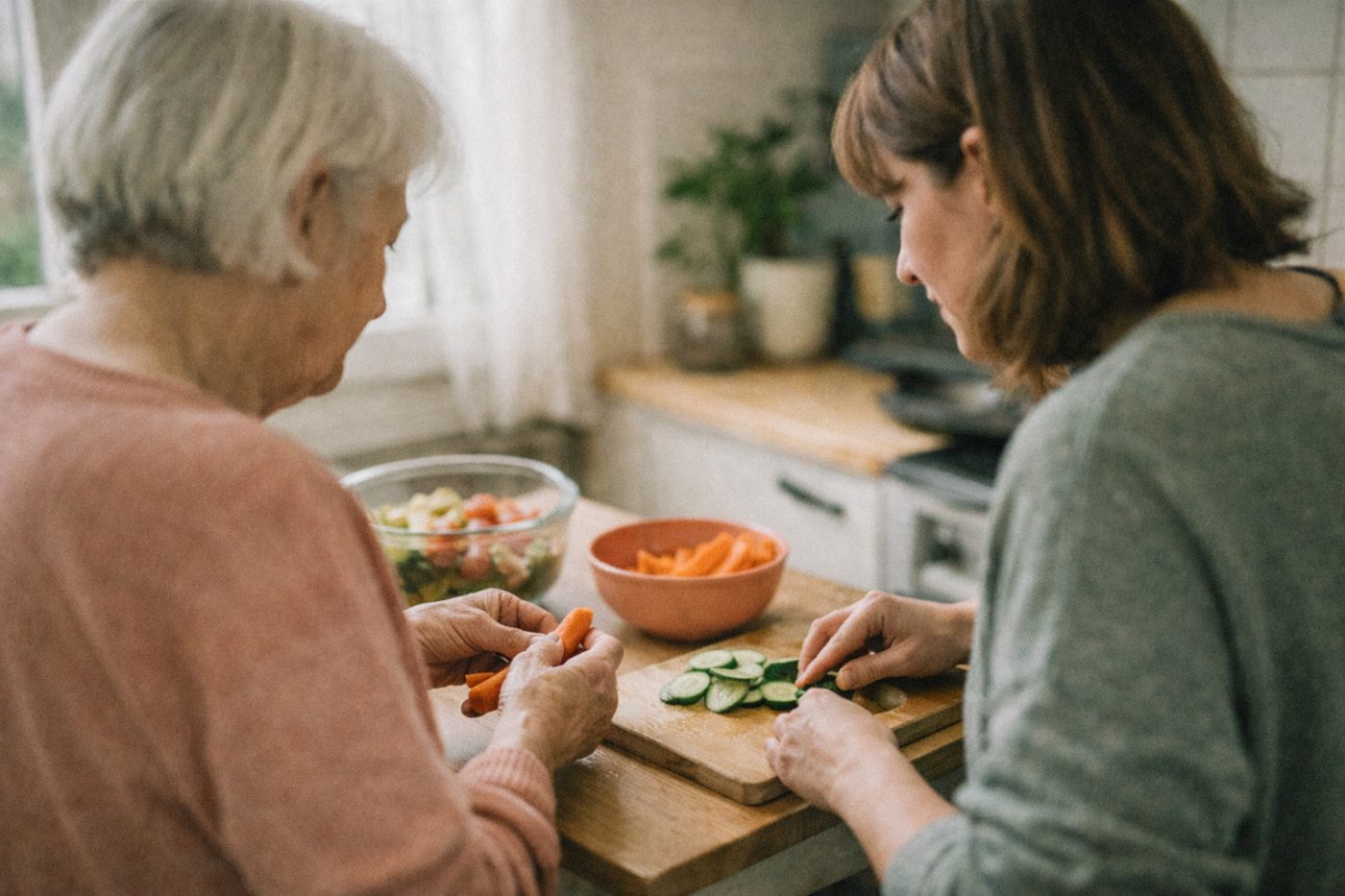
Tips for Establishing Effective Routines
- Daily Structure: Design a schedule that includes daily activities such as meals, exercise, rest, and leisure time. This helps create a sense of normalcy.
- Flexibility: While it is important to follow a routine, it is also essential to be flexible. Parkinson's symptoms can vary, so adapt the routine according to the patient's needs.
- Meaningful Activities: Include activities that are meaningful to the patient. This can range from reading, listening to music, to engaging in hobbies they enjoy.
- Use of Reminders: Utilize calendars, alarms, or visual notes to remind of scheduled activities. This can be especially helpful for tasks that require more attention.
- Involve the Patient: Allow the patient to participate in planning their routine. This fosters autonomy and can increase their motivation.
- Regular Exercise: Incorporate physical activities into the daily routine. Exercise can help improve mobility and mood.
- Adequate Rest: Ensure there is enough time for rest. Fatigue can affect the ability to perform daily activities.
What You Can Do
- Create a Visual Schedule: Design a schedule that shows the day's activities. Use colors and drawings to make it more appealing and easier to understand.
- Establish a Fixed Place for Each Activity: Having a specific space for each activity can help the patient associate that place with the task to be performed.
- Celebrate Achievements: Recognize and celebrate small daily achievements. This can motivate the patient to continue with their routine.
Conclusion
Establishing effective routines for Parkinson's patients not only helps organize day-to-day life but also contributes to their emotional and physical well-being. With a little planning and flexibility, caregivers and family members can make a significant difference in the lives of their loved ones.
This content is educational and does not replace assessment, diagnosis or supervision by a healthcare professional.